Soccer Nutrition Guide for Youth Players
Why Nutrition Matters
Soccer needs energy for sprints, stamina for full games, and fast recovery. Good food choices improve performance, focus, and lower injury risk. Poor options (processed, heavy foods) lead to tiredness, cramps, or crashes.
Daily Macro Targets (adjust for age, size, & training)
Carbs (main fuel): 3.5–4.5 grams per pound body weight on match/heavy days (many youth players fall short—aim higher for energy)
Protein (repair & growth): 0.55–0.8 grams per pound body weight (covers active kids; e.g., 50–100 lb player: 28–80 grams/day)
Fat (support): 20–30% of total calories
Top Foods to Eat
Carbs
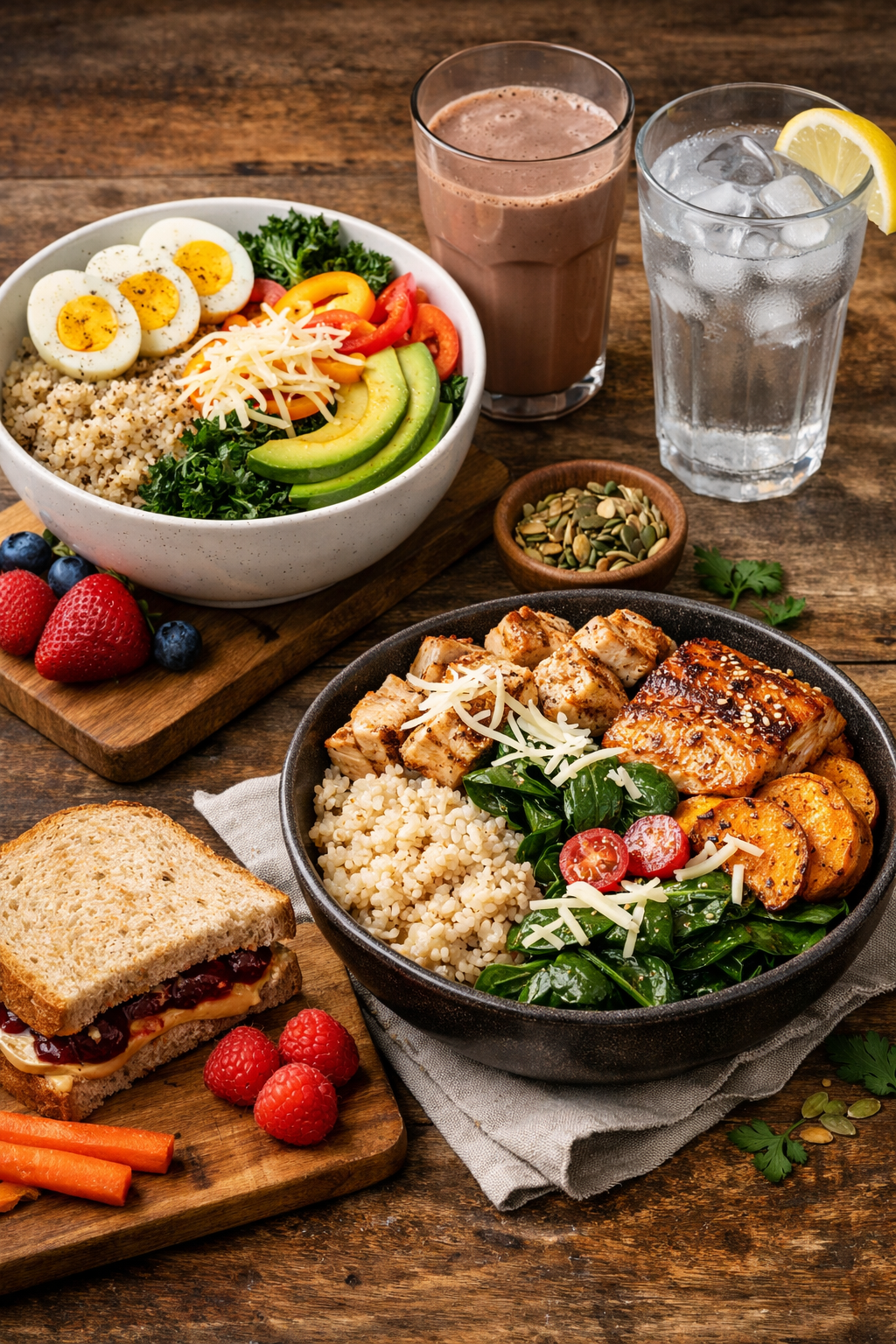
Oats, whole-grain bread/wraps, brown rice, potatoes, sweet potatoes, corn, berries, melon, pineapple, grapes, pears, apples
Protein
Chicken/turkey breast, white fish, tuna, eggs, Greek yogurt, cottage cheese, tofu, edamame, chickpeas, lentils
Fats
Avocado, olive oil, nuts (walnuts, almonds), seeds (chia, flax), fatty fish (salmon, sardines)
Foods to Limit/Avoid (Especially Before Training/Games)
Fried/fast food
Sugary snacks, candy, sodas
Pastries, donuts
Heavy/creamy sauces
Processed meats
These cause slow digestion, energy spikes/crashes, and empty calories.
Extra Caution: Synthetic Food Dyes & Additives
Many colorful snacks, candies, sports drinks, and processed foods use artificial dyes (e.g., Red 40, Yellow 5/6, Blue 1). Studies link them to hyperactivity, inattention, restlessness, and behavior changes in some children (even without ADHD). Kids may be more sensitive.
Reliable sources:
NIH review on synthetic food dyes and children's behavior: https://pmc.ncbi.nlm.nih.gov/articles/PMC9052604/ (supports association with adverse neurobehavioral outcomes)
Another NIH-linked article: https://pmc.ncbi.nlm.nih.gov/articles/PMC3441937/ (small but significant effects on behavior in kids)
Check labels—choose natural colors or dye-free options when possible.
Pre-Match Eating (3–4 hours before)
High-carb, moderate-protein, low-fat/fiber meal
Examples:
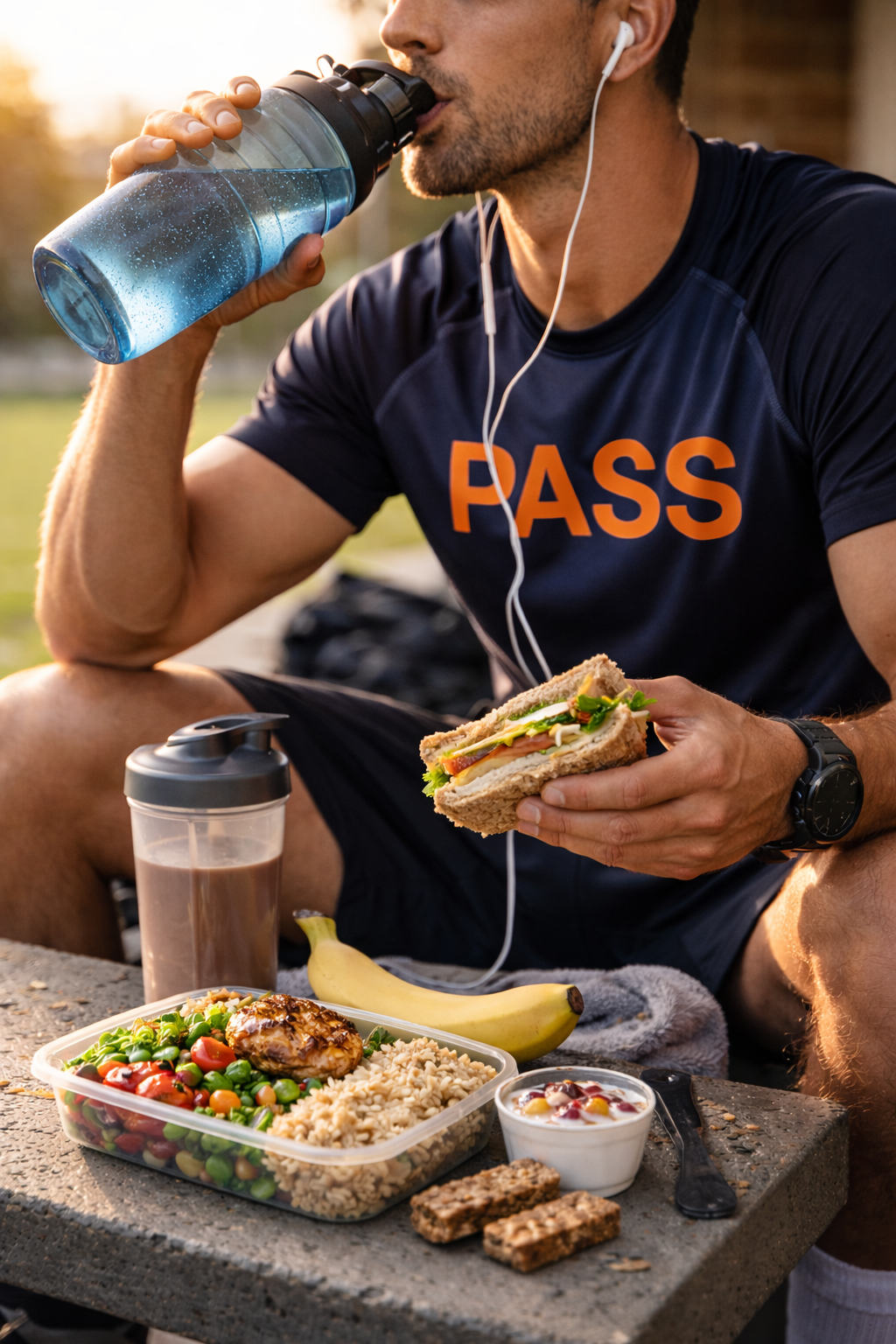
Salmon + brown rice + light veggies (zucchini/peppers)
Eggs on whole-grain toast + tomato
Chicken + sweet potato + carrots
1–2 hours before: small snack (banana, dried fruit, small yogurt, few nuts)
Hydrate with water (skip caffeine/sugary drinks).
Post-Match Recovery (within 30–60 min)
Carbs + protein to refill energy & repair
Examples:
Lean beef + rice + greens
Chicken + noodles + veggies
Hummus + veggie wrap + cheese
Quick backups: protein shake + banana; nut butter sandwich; Greek yogurt + fruit
Hydration Basics
Daily baseline: about ½–1 ounce per pound body weight (e.g., 80–160 oz / 10–20 cups for 160 lb player; add more for activity/heat)
Wake up: 16–20 oz
During play/training: 4–8 oz every 15–20 min
After: replace 16–24 oz for every pound lost (or aim for 24 oz per pound lost)
Water is best. Use electrolyte drinks only for long/hot sessions.
Focus on whole foods most days → stronger, faster recovery, better play! Questions? Ask your coach.